
Board of Directors
Beavers on Tweed is guided by a board with experience across ecology, land management, community engagement, science, and governance. Our directors bring a shared commitment to nature recovery and constructive dialogue, alongside diverse professional and personal perspectives.

Dr Philip Ashmole MBE
Philip Ashmole (born 1934) is a retired zoologist and seabird ecologist who has worked since 1993 with his late wife Myrtle and the Wildwood Group to help restore natural broadleaf woodland in the Southern Uplands. Using crowdfunding, the group raised £400,000 in two years to purchase Carrifran valley for Borders Forest Trust on 1st January 2000. Philip has watched beavers in New England, Nova Scotia and Bavaria.

Bridie Ashrowan
Bridie Ashrowan is custodian of a small wild land site in the upper reaches of the Tweed, and her working life is in leadership development and transformational learning. She has over thirty years’ experience in the community sector, working with start-ups and established organisations across environment, arts, community, and land projects. Bridie has served on boards including Community Land Scotland and the Southern Uplands Partnership, and was a founding trustee of both an innovative drug and alcohol charity in Essex and the Alchemy Film Festival in Hawick. She is a poet and keen grower of food, and champions the long-term ecological benefits of beavers on the Tweed catchment.
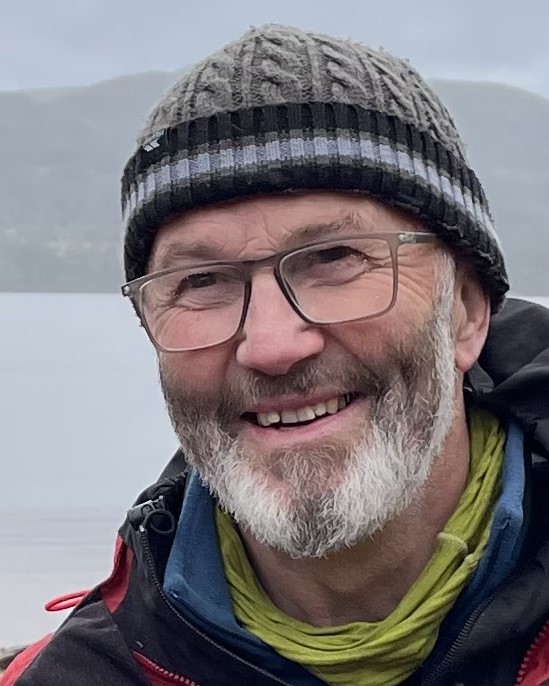
Hugh Chalmers
Hugh Chalmers is a woodland and wetland ecologist who has worked for 30 years in the Scottish Borders, latterly on river restoration and Integrated Catchment Management with Tweed Forum, and now as a consultant with Riverwoods. Restoring beavers to Scotland has long been an interest, and visits to France and Norway demonstrated that we should have them in Scotland as a key part of restoring biodiversity. Bringing local landowners and angling interests on board is our main challenge at this stage.

Ben Douglas
I’m a farmer from a farm in the Galashiels area. I believe the Tweed catchment is crying out for the reintroduction of beavers. The area sorely lacks native woodland, wildlife and general ecology that beavers help restore. The Tweed and its tributaries need to be cleaner and far less flood and drought prone. The Borders is a beaver landscape, with many of its settlements originally built when beavers were busily doing their thing. We pay a high price for their loss with the flooding of properties and productive land. Beavers can fix it.

Rachel French
Rachel French is a nature restoration practitioner who recently returned to her home in North Northumberland after thirteen years living and working on the Isle of Mull. With a background in ecological restoration, community engagement, and project delivery, she brings experience across woodland, wetland, and river‑catchment recovery. She believes that healthy rivers and thriving wildlife don’t recognise borders — and with the Tweed flowing into England, collaboration across counties and countries is essential for meaningful change. When she’s not working for nature, Rachel can be found exploring the outdoors with her Border Collie, Aspen, reading voraciously, or knitting warm jumpers for life outside.

Dr Melissa Marr
Melissa Marr is a zoologist and research scientist who applies whole genome analyses to the conservation of endangered wildlife and rare breed livestock. She holds a doctorate in palaeogenomics, awarded for research that used ancient DNA to investigate how mammals – including beavers – recolonised Britain after the last Ice Age. This perspective on past environments underpins her interest in ecosystem restoration and species reintroductions in Scotland, with a focus on how these can be balanced with contemporary land-use practices and community interests.
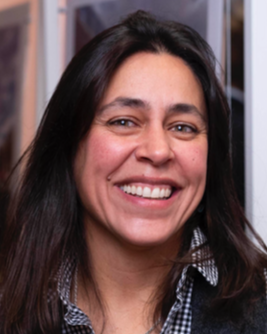
Dr Gabriela Peniche
Gabriela Peniche is a conservation scientist and wildlife health specialist with over 15 years’ experience in raptor ecology, disease surveillance, and species reintroduction from little bumblebees and spiders through to white tailed eagles and wolves. She currently coordinates the Scottish Raptor Monitoring Scheme. Gabriela holds an ecotoxicology PhD and has worked nationally and internationally on wildlife forensics, population health, and conservation research, supporting policy, practice, and community engagement across diverse ecosystems.
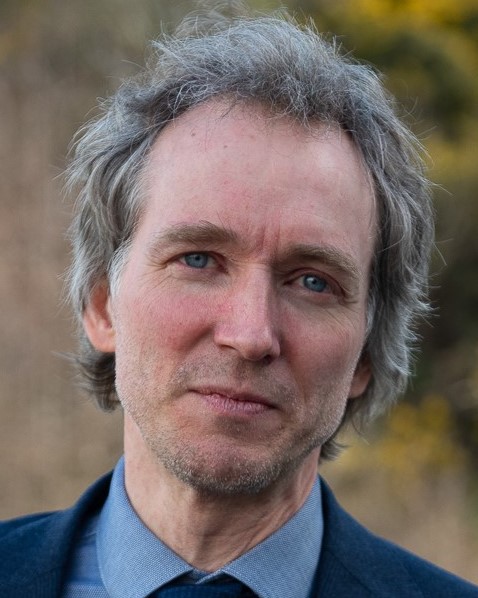
Dominic Ashmole
Dominic Ashmole is an environmental and community advocate based in Peebles, with a background in research and development, intellectual property, and project leadership. He has more than twenty years’ experience helping teams turn complex challenges into practical outcomes, and is focused on supporting community-led approaches to nature recovery, particularly at river catchment scale. Dominic also serves as a member of Peebles Community Council and a director of Peebles Community Trust.
Philip Ashmole photo: Copyright © Colin McLean.